
Why prevention pays off
A planned intervention can be scheduled, compared and carried out with the right technique and at the right time. An emergency, after a branch or a tree has fallen, usually involves urgency, isolating the area, possible damage to people, vehicles and buildings, and decisions made under pressure.
Following up on trees also helps avoid drastic cuts. Trees that receive light, regular care tend to need less severe intervention than those left for years without assessment. The savings come from avoiding damage and rework, not from doing less than what is needed.
What goes into a maintenance routine
A lean routine usually brings together four fronts, adjusted to the size of the area and how the space is used:
Periodic inspection
Look at the crown, trunk, base and surroundings to spot changes before they become a problem.
Inventory and history
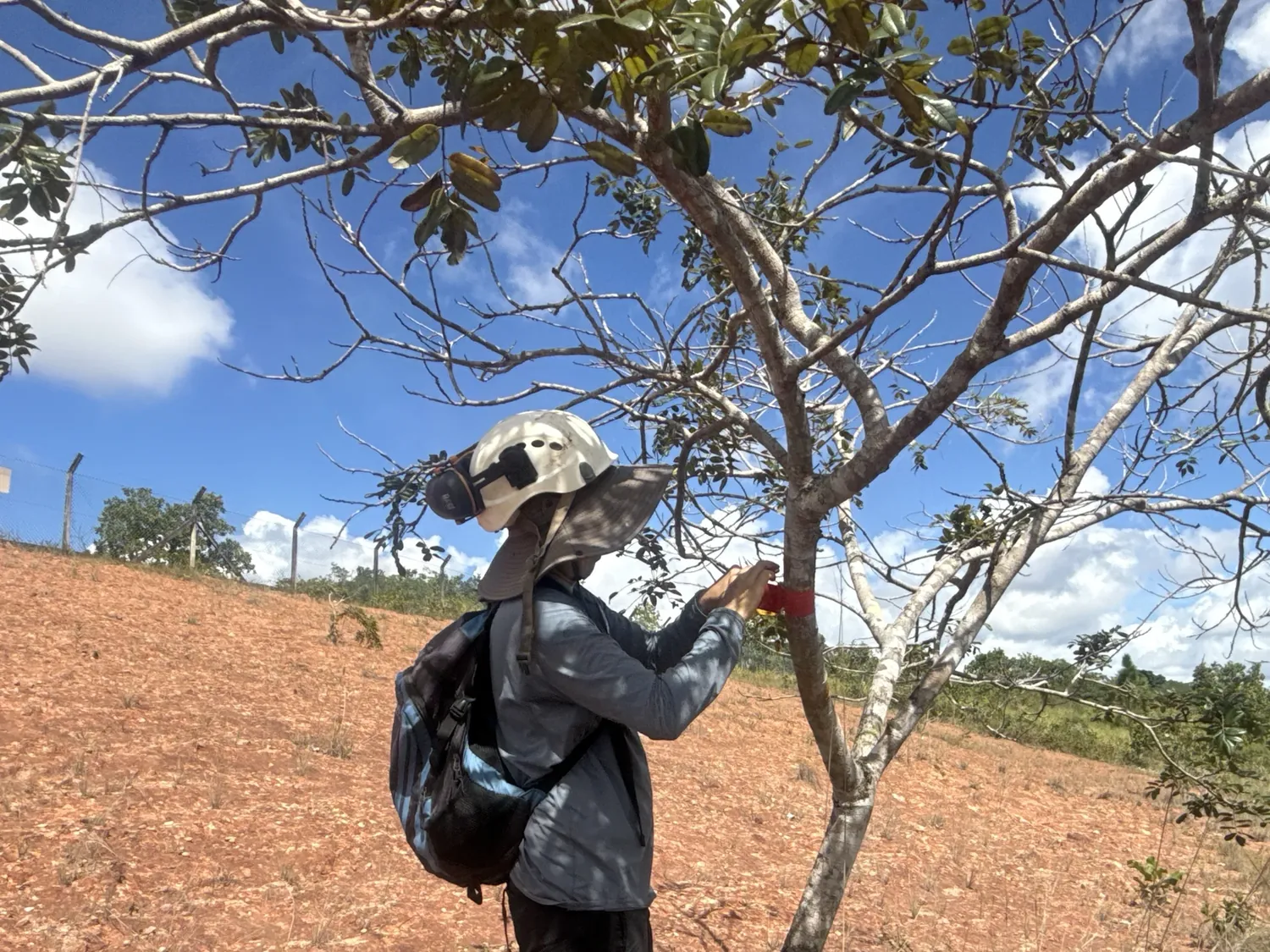
Identify each tree and note its condition, incidents and interventions. The record shows what changed and guides priorities.
Pruning and indicated care
Pruning with a defined purpose, phytosanitary control when needed and care for the soil and roots.
Follow-up
Return to the trees at the pace set by the assessment and after events such as heavy rain, strong wind or nearby works.
How often to assess
There is no single interval. Frequency depends on the species, age, site conditions, how the area is used and what is around it, such as foot traffic, parking, buildings and utility lines. Trees in busy areas or with known defects call for closer follow-up.
What avoids rework
A few repeated mistakes create cost and risk without solving the problem:
Pruning without criteria or topping, which can cause injuries and weak regrowth. Planting a species unsuited to the space, such as large trees under wires or on narrow sidewalks. Works near the roots without protection. And interventions without records, which make it impossible to compare the tree’s condition over time.
See also the guides on pruning or removal and on planting trees.
How to organize maintenance in your space
For residential communities, companies and institutions, the most direct path is: survey the existing trees, rank those that need priority attention, set an inspection and intervention calendar and keep a simple history of incidents. A tree inventory is usually the basis of this process.
When there is doubt about a specific tree, a tree risk assessment helps understand what to look at and set priorities.